Not Exactly Mona Critique Prompt

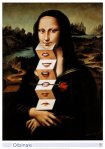
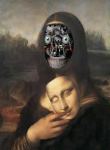
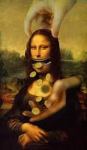
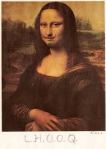
Select 1 of the images provided.  Copy text below into your own blog.  Under each heading (Describe, Analyze, Interpret, Judge) respond to the statements and erase the “directions” text.   Post the image you choose and your 4 part Critique to your own blog.

Describe
This stage is like taking inventory. You want to come up with a list of everything you see in the
work. Stick to the facts. Imagine that you are describing the artwork to someone over the
telephone. Express what you see in detail.

Analyze
Try to figure out what the artist has done to achieve certain effects. Consider different elements
and principles used by the artist and why the artist might have chosen to incorporate these
essentials.
• Questions to consider:
o Use the vocabulary you learned in class. For example, if you’re looking at mostly
red, yellow and blue refer to the colors as primary colors.
o How are the elements of art (color, shape, line, texture, space, form, value) and
the principles of design (balance, harmony, emphasis, movement/rhythm, unity,
variety) used in this artwork?
o What do you notice about the artist’s choice of materials?
o What grabs your attention in the work, why?
o Do you see any relationship to the things you listed during the description stage?

Interpret
Try to figure out what the artwork is about. Your own perspectives, associations and experiences
meet with “the evidence” found in the work of art. All art works are about something. Some art
works are about color, their subject matter, and social or cultural issues. Some art works are very
accessible — that is, relatively easy for the viewer to understand what the artist was doing.
Other works are highly intellectual, and might not be as easy for us to readily know what the
artist was thinking about.
• Questions to consider:
o What is the theme or subject of the work? (What from the artwork gives you
that impression?)
o What mood or emotions does the artwork communicate?
o What is the work about; what do you think it means or what does it mean to
you? (What from the artwork gives you that impression?)
o Why do you think that artist created this work?

Evaluate
This is a culminating and reflecting activity. You need to come to some conclusions about the
artwork based on all the information you have gathered from your description, analysis, and
interpretation.
• Questions to consider:
o What are your thoughts on the artwork based on the three steps above and why?
o Why do you like or dislike the artwork (explain).
o What have you seen or learned from this work that you might apply to your own
artwork or your own thinking?

Children’s Stories from Other Cultures

Learning Targets:
I can better understand other cultures by reading their children’s literature.

Possible Projects:  Animation, Illustration
I can apply animation techniques to create a cartoon or photo animation based on a story from another culture.
I can make connections between literature and visual imagery.

You can find Children’s Stories from other cultures at the following Links:

*Published by the Ministry of Foreign Affairs in Japan: Japanese Children’s Stories
http://web-japan.org/kidsweb/folk/index.html

*http://www.worldoftales.com/Most of the tales on the World of Tales website came from Project Gutenberg, but are a little more easily navigated on World of Tales–less clicks to start reading 🙂

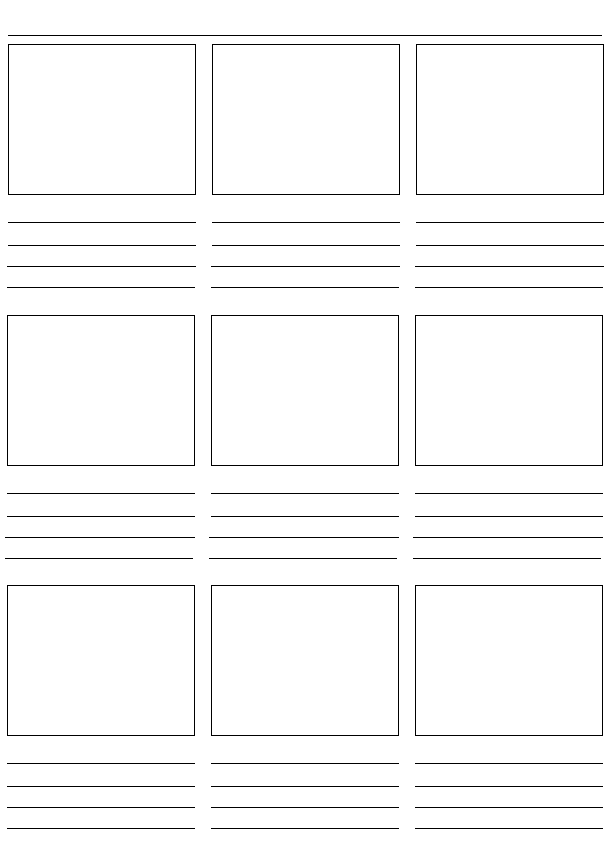
Here is a sample story board to help you plan:

storyboard 1 storyboard9


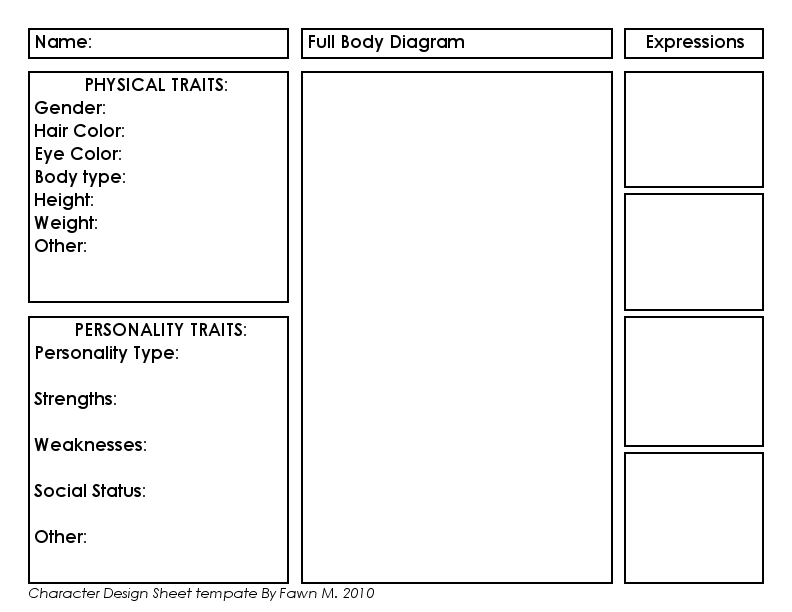
Here is an example of a character design template to help plan:

character design template


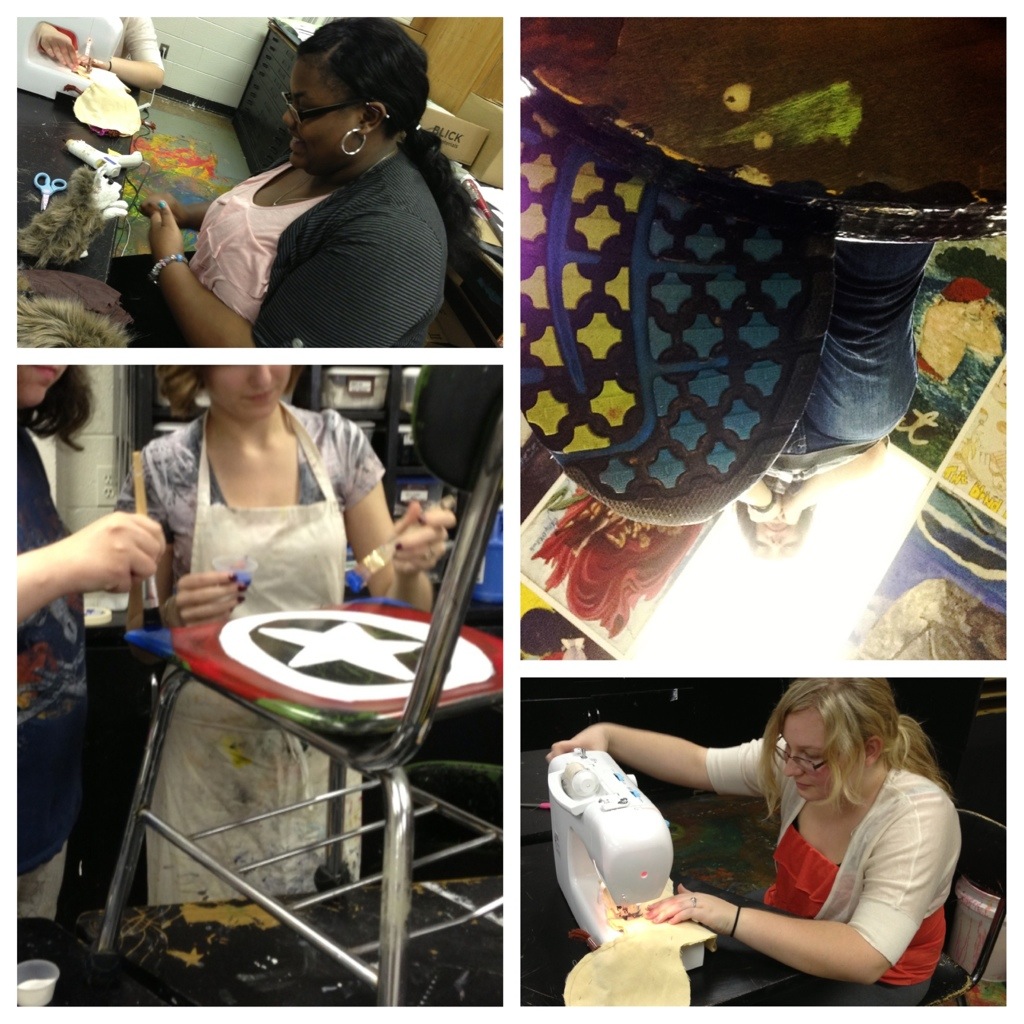
So I started off my day getting a potted herb garden grown by the FFA students. Later I walked into my second period to find all of my students wearing goofy hats, I couldn’t help but to bust out laughing. We turned the computer lab into a set for a costume photo shoot, set up stations for our workshop tomorrow with guests from North Shelby. Then, the chorus students sang me the wagonwheel song…tomorrow Fun Friday technology session, guest workshops, we pick up art from the exhibition at the arts council and take some over to the Cleveland County Kidney Association fundraiser. Then off to collaborate with the other high school art teachers in the county. I love my job!

Practice Questions for Photography Exam

practice questions for photography exam

Photo Mid-term study tips

Can you see a picture of a tool and identify it by name? Can you explain in your own words what it does?
Do you know how to add and subtract from selections?
Where is the options bar? Tool bar? Active workspace? Layers palette?
How to I make a layer visible?
Can you recognize the elements and principles of design?

Gallery

20130412-210610.jpg

“Culture is not…

“Culture is not something that you manipulate easily. Attempts to grab it and twist it into a new shape never work because you can’t grab it. Culture changes only after you have successfully altered people’s actions, after the new behavior produces some group benefit for a period of time.”
by John P. Kotter, Harvard Business Review “Leading Change…”

Quote

DPI documents related to Visual Arts

DPI Visual Arts I can Statements

DPI creative process chart

DPI Timeline

Cool Tools Session with Linda Larson

20130405-124838.jpg

Notes:

Doing more with Evernote–definitely added more “Junk in my Evernote Trunk” including Evernote’s Web Clipper (screen capture that auto detects for content, saves it in your Evernote, keeps links and is editable).

Mouse Mischief–multiple students have a mouse and can control the screen at the same time, when enabled.

StudyBlue.com– I am very excited that it will allow me to create flash cards with images

Amara.org (pulls Closed Captioning script out of video files to be viewed as bulk text)

Quiet You Tube (removes clutter from around the video)

TubeChop (clips a segment of a YouTube and provides a link to it)

Jux.com (present juxtaposed content)

Wix.com (quick, easy webpages)

Previous Older Entries Next Newer Entries

Follow Art Is Good on WordPress.com