Self Guided Excercises and natures fury
20 Sep 2013 Comments Off on Self Guided Excercises and natures fury




Daguerreotypes, Camera Obscura and other funny photography words!
17 Sep 2013 Comments Off on Daguerreotypes, Camera Obscura and other funny photography words!
15-20 minutes
Who is Louis Jacques Mande Daquerre?
Describe his contributions to photography.
What is a daguerreotype.
Post an example of a daguerreotype.
5 minutes
What is a camera obscura? How does it work. Post an example of an image created with a camera obscura.
15 minutes
Who is William Henry Fox Talbot?
Describe his contributions to photography
When was the earliest recorded photograph that we know of? (a date)
Describe or post it.
How was it taken?
Q and A: American Photography: Episode 1
When you have answered these questions and post them to your blog, you are ready to watch American Photography: Episode 1. You will need headphones.
As you watch it, pause to write questions and answers that would correlate with the video.
I can understand how Art relates to Technology, Enviromental Sustainability and the Preservation of Cultures
11 Sep 2013 Comments Off on I can understand how Art relates to Technology, Enviromental Sustainability and the Preservation of Cultures
in Uncategorized Tags: Assignments
Create a Popplet about how art relates to Technology, Environmental Sustainability and the Preservation of Cultures. (This is one of your Essential Standards)
Here is an example of how one student completed this goal: http://popplet.com/app/#/1003842 (This is an EXCELLENT popplet!)
Popplet is free and easy to use!
Use the internet to research each of these topics.
Start your popplet like this:
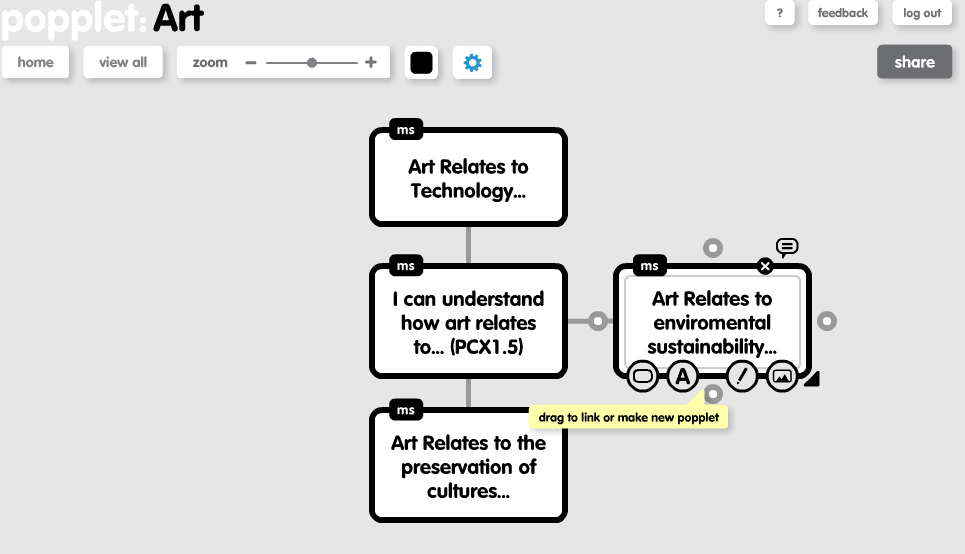
Then add more popplets as you research each topic to develop your completed topic. Popplets can contain pictures and text!
Here is a doodle to help you develop your popplet:
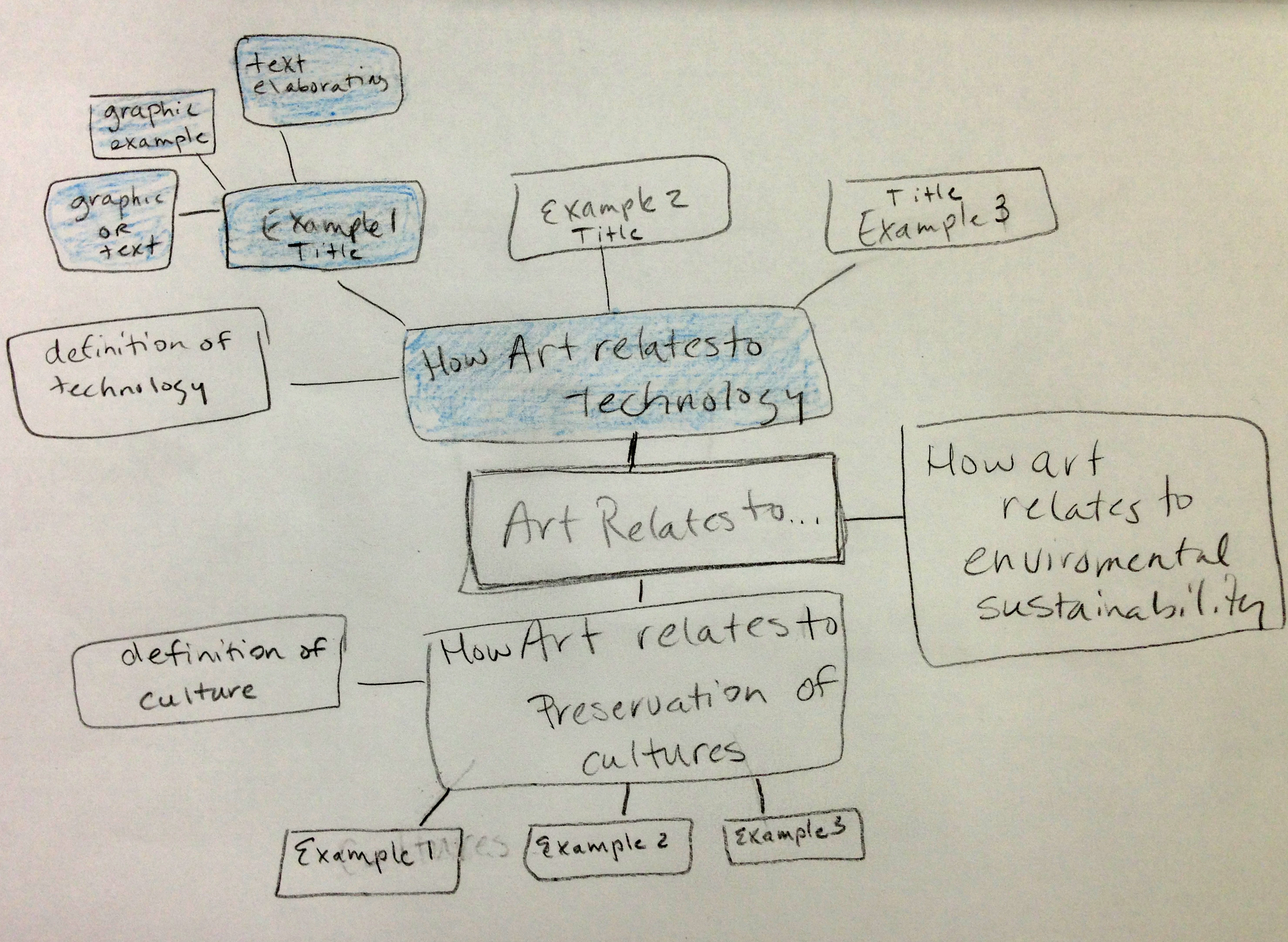
Your elaborating popplets should support, explain and defend your example. They should “spell out” how each of your 9 specific examples relates to art.
Estimated time: 1 hour for Technology, 1 hour for Environmental Sustainability, 1 hour for Preservation of Cultures.
At the end of day 1, post a link to your popplet on your blog (if you do not blog, post link on Edmodo). Each day, update your link.
Self Check Question:
Did my elaborating popplets support, explain and defend how the example I chose relates to art?
Your popplets should “spell out” how each of your 9 specific examples relates to art.
Debate: Arne Svenson
11 Sep 2013 Comments Off on Debate: Arne Svenson
in from mspdgttsartstudents Tags: art debate, debate
Have you completed this assignment before? build your blog by adding another, different artist debate. This is only an option if you have debated Arne Svenson previously and posted about it on your blog.
Assignment: What do you think?
This 2013 photography exhibit was quite controversial! It was discussed on the news and was written about in the news paper USA Today. 1. Read the article from USA Today, here is the ad-free PDF version: Arn Svenson controversy. Here are 4 of the works:
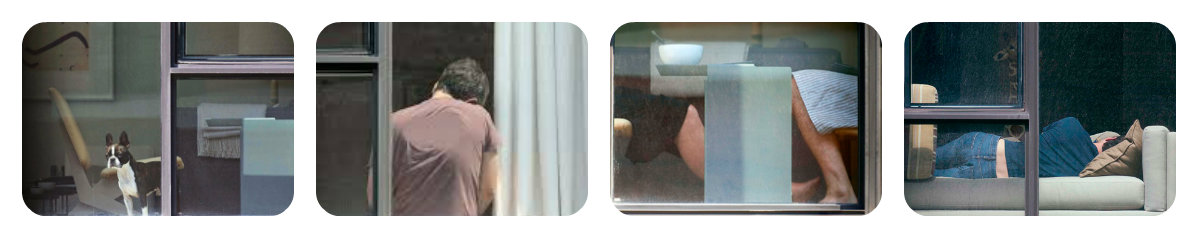
DO NOT discuss your opinions with your classmates. I am interested to hear what each of you has to say on your own. 2. Copy and Paste to a Word doc or your Blog, then Answer the following questions: What is the subject/topic of Arne Svenson’s work? What do you think he is trying to say to people who view his work? In other words, what is his message? Did Arne Svenson invade the subject’s privacy? Why or why not? If yes, how might he have communicated his message differently? Now that people are upset, Should he be forced to remove his work? Why or why not? What about the work that has already been sold? Click here to view another controversial series by Arne Svenson: Unspeaking Likeness What is this artwork about? What role did the forensic artist play in this series? Why do you think he created this series? How is what he has done as a photographer different than what the forensic artist did? Is this his art? Should he get credit for it? Why or why not? Why do you think it is controversial? What “2 sides” might someone argue about this work?
11 Sep 2013 Comments Off on
Hello Students!
I am sorry I am not able to be with you today. I am experiencing some pain, I might have a stomach ulcer 😦
Please be nice to your substitute Mrs. Smith. You will be completing an Art Debate today and posting it to your blog. You can copy/paste the questions. Most of the answers are your opinion, so you need to back it up with statements about why you think what you do. You will be looking at 2 series of work by the same artist Arne Svenson. The debate is posted below. If you finish early (and you have done a good job), then you can play on Pixlr.com or Bomomo.com…try creating a digital painting. Add your creations to your blog.
See you soon,
Ms. P 🙂
How to Participate in Critique
10 Sep 2013 Comments Off on How to Participate in Critique
How to Participate in Critique
1. Provide thorough feedback. No 1 or 2 liners.
2. Your feedback should be specific and use correct art vocabulary. Avoid phrases like “I like…” or “I don’t like…” Do not use words such as “ugly” or “pretty.”
A personal opinion on art does not make it good or bad. There are many great works of art that I do not like, it doesn’t mean that the work is “bad art.” It is good art, that I happen not to like.
You can provide much more valuable feedback if you offer specific suggestions. Point out strengths, weaknesses, and alternative solutions. Examples of comments you might make:
The lines on the left side of the work are faded. The work is right heavy. You could darken the lines on the left to increase the contrast and balance the work.
3. Finally, try to avoid being defensive about your work. When someone makes a suggestion about your work, you do not have to agree with it. You should not, however, lash out at it. When you react defensively, it stifles open discussion. When people make suggestions for your artwork, it is not a negative reflection of you as an artist. They can offer different ways of resolving the problem. You may not take their suggestion, but it may lead you to think of your image differently. It is not necessary to respond to everyone’s feedback. Sometimes it is best to just listen.
10 Sep 2013 Comments Off on
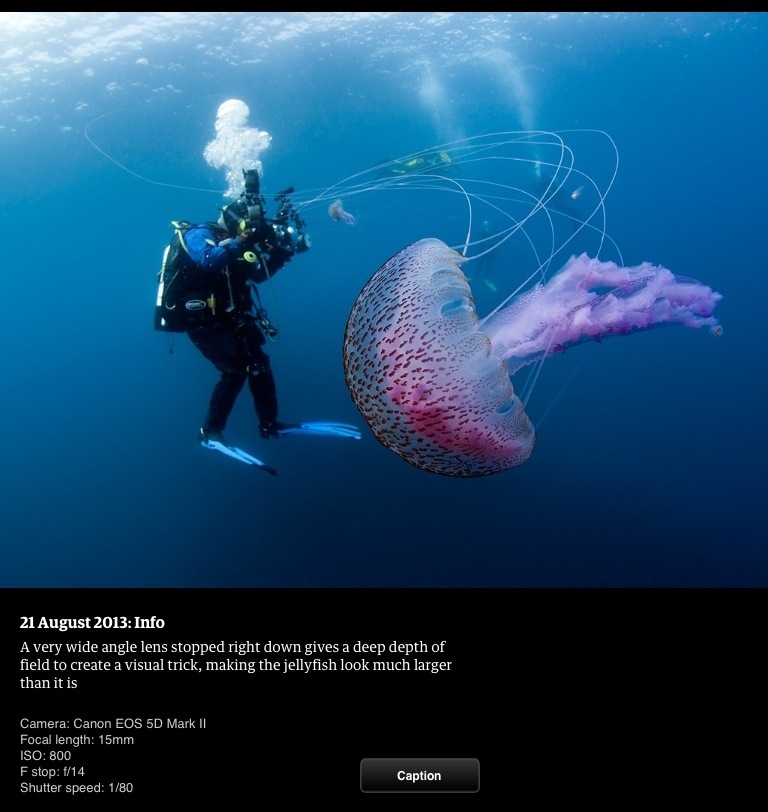
Use scale to create visual interest in the photos you take. Objects close to you appear larger than distant objects.
Proposal Reflection
09 Sep 2013 Comments Off on Proposal Reflection
1. How did each of your reference artists influence your own artwork? Comment on specific components of your work.
2. Analyze the relationship between product (what you created) and process (how you created it).
3. What are the strengths of your work? Be specific.
4. What would you differently if you were to re-do this project? Be specific.
5. How would you define the style of your work? Try to connect it with an existing style.
6. What did you learn through this proposal?
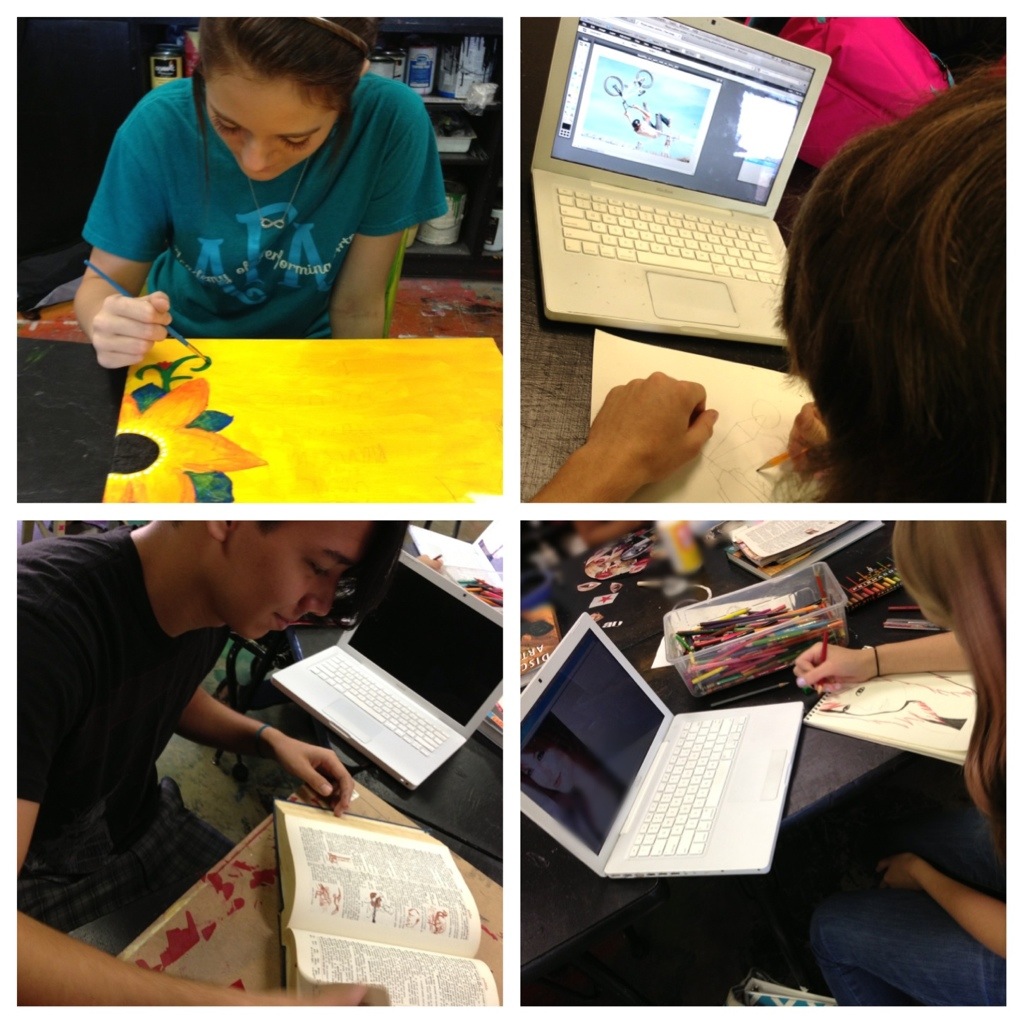
Advanced students working on first round of proposal artworks! Can’t wait to see the finished art on Monday!
08 Sep 2013 Comments Off on Advanced students working on first round of proposal artworks! Can’t wait to see the finished art on Monday!
Sunday Afternoon
06 Sep 2013 Comments Off on Sunday Afternoon
in Uncategorized Tags: 35, Art Famous, art vocab, assignment, Assignments, Beginning Art, beginning art, bv1.1, suerat
Visit The Metropolitan Museum of Art for a closer look at Sunday Afternoon by Georges Seurat
Look closely at the work. Use the ZOOM feature on the website. Read about the work.
Then, in your LiveBinder add (+) a subtab to writing> (+)content and choose a layout that allows a picture and writing. Post a picture of the work and then write about. You should use art vocabulary when discussing the work. Hint: Use the elements and principles of design. Describe the work. What did you learn when you read about it.
Learning Target ((O)) I can use art vocabulary when discussing Sunday Afternoon by George Seurat.

 Art Is Good