http://www.zenshodo.com/history.htm
http://web-japan.org/kidsweb/virtual/shodo/shodo01.html
Artist~Teacher~Curious Human
13 Aug 2013 Comments Off on Shodo, Japanese Calligraphy
in Resources Tags: characters, Drawing, japan, japanese, kanji, shodo, world art
01 Aug 2013 Comments Off on Classify works according to style
in Resources Tags: Beginning Art, style
What is the difference in Style and Movement?
A way of grouping artists by similarities in technique, results, appearance, method, intentions, concepts, media…. Movements are anchored to a time, place, group of artist, where style is not. For example, I can work in the style of Impressionism, but I can never be a part of the Impressionist movement–that has passed. Monet, Manet, Degas, Cassat were all a part of the Impressionist movement; their work is also Impressionistic in style.
1. Look at art in each of these styles. Familiarize yourself with some of the artists who created work in each style.
2. Identify characteristics of the art you see.
Warning: Artist rarely create art in only one style. For example, Picasso is well known for his cubist work, but he also created realistic art, as well as art in many other styles.
Impressionism & Post Impressionism: Claude Monet, Edward Manet, Mary Cassat, Vincent Van Gogh, Degas
*dabby brush strokes, no true black, study of the light, captures a quick “impression”, outdoor scenes
Pop Art: Roy Lichtenstein, Andy Warhol, Claues Oldenburg
*comments on pop culture, often bold colors, often simplified forms or shapes, sometimes uses repetition
Surrealism: Salvidor Dali, Juan Miro,
*dream like state
Realism/Naturalism/Imitationalism: The Hudson River School
*looks real
Cubism: Pablo Picasso, Braque
*multiple picture planes at once, looks squared off, a type of abstraction- starts with a recognizable subject,
Expressionism: Edvard Munch
*seeks to show emotions
Fauvism: Henri Matisse, Franz Marc
*wild beast, arbitrary color, often bold bright colors, loose representation of recognizable subjects
Can you classify the following works of art according to their style? You may use the styles more than once. Every style may not be represented.

31 Jul 2013 Comments Off on Curriculum Guide and Lesson Planning Living Document
in Resources Tags: Lesson Plans, State Stuff, Teaching Tools
31 Jul 2013 Comments Off on Standards, side by side for comparison
in Resources Tags: Lesson Plans, State Stuff, Teaching Tools
30 Jul 2013 Comments Off on Discovering Art History links to Standard Course of Study
in Resources Tags: Lesson Plans, State Stuff, Teaching Tools
30 Jul 2013 Comments Off on Opportunity
in Resources Tags: grant, Teaching Tools
29 Jul 2013 Comments Off on Interactive Online Experiences
in Resources Tags: experiences, interactive, MOMA, online, online experiences
02 May 2013 Comments Off on Not Exactly Mona Critique Prompt
in photography, Resources Tags: Advanced Art, art criticism, assignment, Assignments, mona lisa, mspdgtt, photography, Studio Art Courses
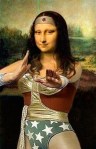
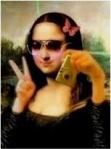
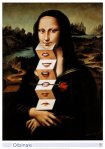
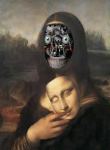
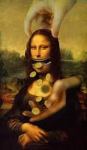
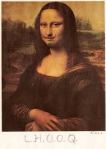
Select 1 of the images provided. Copy text below into your own blog. Under each heading (Describe, Analyze, Interpret, Judge) respond to the statements and erase the “directions” text. Post the image you choose and your 4 part Critique to your own blog.
Describe
This stage is like taking inventory. You want to come up with a list of everything you see in the
work. Stick to the facts. Imagine that you are describing the artwork to someone over the
telephone. Express what you see in detail.
Analyze
Try to figure out what the artist has done to achieve certain effects. Consider different elements
and principles used by the artist and why the artist might have chosen to incorporate these
essentials.
• Questions to consider:
o Use the vocabulary you learned in class. For example, if you’re looking at mostly
red, yellow and blue refer to the colors as primary colors.
o How are the elements of art (color, shape, line, texture, space, form, value) and
the principles of design (balance, harmony, emphasis, movement/rhythm, unity,
variety) used in this artwork?
o What do you notice about the artist’s choice of materials?
o What grabs your attention in the work, why?
o Do you see any relationship to the things you listed during the description stage?
Interpret
Try to figure out what the artwork is about. Your own perspectives, associations and experiences
meet with “the evidence” found in the work of art. All art works are about something. Some art
works are about color, their subject matter, and social or cultural issues. Some art works are very
accessible — that is, relatively easy for the viewer to understand what the artist was doing.
Other works are highly intellectual, and might not be as easy for us to readily know what the
artist was thinking about.
• Questions to consider:
o What is the theme or subject of the work? (What from the artwork gives you
that impression?)
o What mood or emotions does the artwork communicate?
o What is the work about; what do you think it means or what does it mean to
you? (What from the artwork gives you that impression?)
o Why do you think that artist created this work?
Evaluate
This is a culminating and reflecting activity. You need to come to some conclusions about the
artwork based on all the information you have gathered from your description, analysis, and
interpretation.
• Questions to consider:
o What are your thoughts on the artwork based on the three steps above and why?
o Why do you like or dislike the artwork (explain).
o What have you seen or learned from this work that you might apply to your own
artwork or your own thinking?
02 May 2013 Comments Off on Children’s Stories from Other Cultures
in photography, Resources Tags: animation, Assignments, childrens stories, cultural connections, I can, links, photography, projects, understanding other cultures
Learning Targets:
I can better understand other cultures by reading their children’s literature.
Possible Projects: Animation, Illustration
I can apply animation techniques to create a cartoon or photo animation based on a story from another culture.
I can make connections between literature and visual imagery.
You can find Children’s Stories from other cultures at the following Links:
*Published by the Ministry of Foreign Affairs in Japan: Japanese Children’s Stories
http://web-japan.org/kidsweb/folk/index.html
*http://www.worldoftales.com/Most of the tales on the World of Tales website came from Project Gutenberg, but are a little more easily navigated on World of Tales–less clicks to start reading 🙂
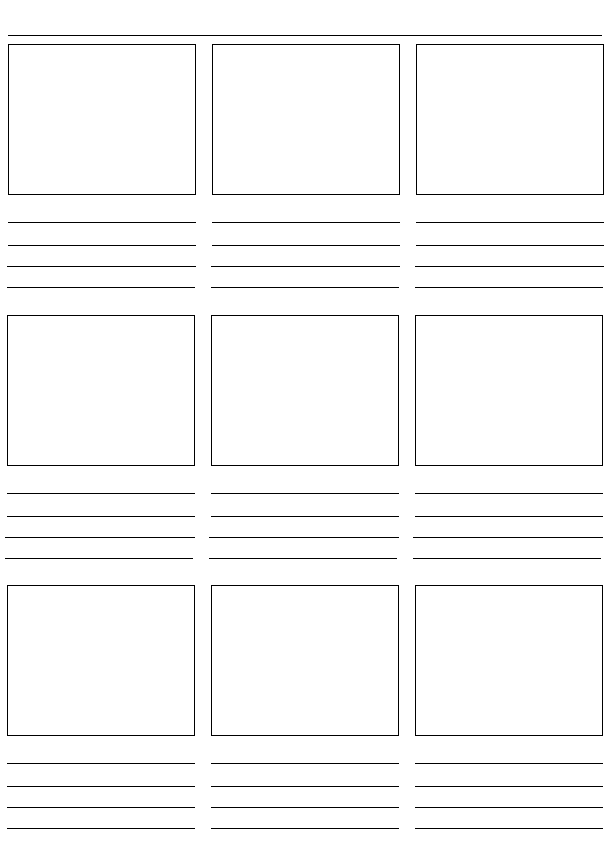
Here is a sample story board to help you plan:

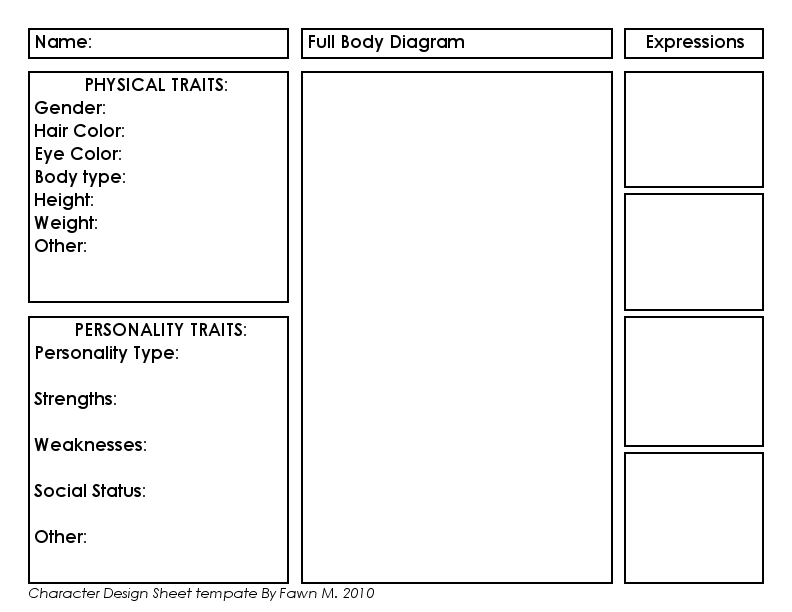
Here is an example of a character design template to help plan:

 Art Is Good